Accelerating a 1000cc superbike to 200 km/h takes less than 8 seconds, but stopping that 210 kg machine under aggressive threshold braking converts immense kinetic energy into searing thermal heat across twin 320mm or 330mm front floating disc rotors. In Gurgaon’s extreme operating conditions—where high-speed expressway blasts on Dwarka Expressway meet abrupt, heavy braking for traffic on Golf Course Road—friction compound selection is literally a matter of life and death.
Whether your machine features monobloc radial calipers (Brembo Stylema, M50, GP4-RS, Nissin 4-Piston, or ByBre Radial Mounts) on a Kawasaki Ninja ZX-10R/6R, Ducati Panigale V4/V2, BMW S1000RR, Triumph Street Triple 765, Suzuki Hayabusa, or Royal Enfield Continental GT 650, this master engineering guide covers friction friction-coefficient curves, caliper hydraulic maintenance, and rotor runout tolerances.
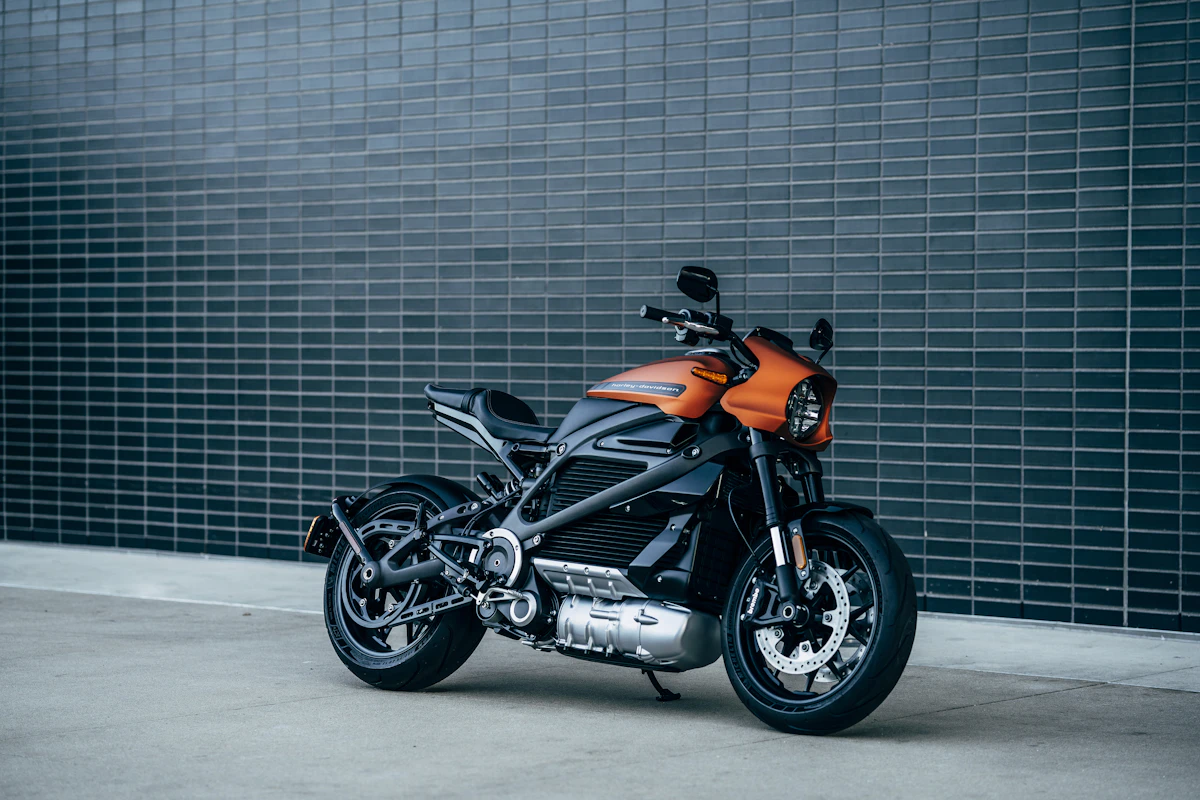
1. Friction Materials Compared: Sintered vs Ceramic vs Organic Compounds
Motorcycle brake pads are defined by their friction material matrix bonded to a rigid steel backing plate. Choosing the incorrect compound will result in terrifying high-speed lever fade, premature disc rotor scoring, or poor cold-bite performance in wet conditions.
| Friction Compound | Operating Temp Threshold | Initial Bite & Feel | Best Suited Application |
|---|---|---|---|
| Sintered Metallic (Brembo SA / EBC HH) | Up to 650°C (Zero Fade) | Aggressive initial bite, exceptional wet-weather friction (0.50μ) | Kawasaki Ninja, BMW S1000RR, Ducati Panigale, Track Days & Expressways |
| Carbon-Ceramic (Brembo CC / Race SC) | Up to 750°C (High Thermal Limit) | Linear, progressive trail-braking bite; requires warm-up | Track-only superbikes, aggressive supersport canyon riding |
| Semi-Metallic (Road / Touring) | Up to 400°C (Moderate) | Soft, predictable bite; very gentle on disc rotors | Middleweight cruisers, RE 650 Twins, everyday city commuting |
| Organic / Resin (Standard OEM) | Below 300°C (Fades Quickly) | Gentle lever feel; breaks down under high heat | 100cc-150cc commuter scooties ONLY; dangerous on superbikes |
Why Sintered Metallic Compounds Rule the Street
Sintering fuses copper, bronze, and carbon powders under extreme heat without liquid melting. This creates a porous metallic block that dissipates heat into the backing plate shim rather than boiling the brake fluid in the caliper pistons during high-speed stops on SPR or Golf Course Road.
2. Radial Caliper Overhaul: Piston De-Glazing & Ultrasonic Cleaning
Over thousands of kilometers, brake dust, road tar, and vaporized chain lube coat the exposed chrome or titanium-nitride surfaces of monobloc caliper pistons. When fresh, thick brake pads are installed without cleaning, these contaminated piston skirts are pushed back past the internal square rubber seals, damaging the seal lips and causing sticky caliper drag.
The Total Bike Service 5-Step Caliper Service:
- Piston Extension & Inspection: Pistons are gently pumped outward using the master cylinder to expose the contaminated outer circumference.
- Ultrasonic Solvent Scrubbing: Specialized non-petroleum brake solvent and brass-bristle brushes remove baked-on carbon glazing without scratching the piston coating.
- High-Temp Silicone Lubrication: Piston sidewalls are treated with pure silicone assembly grease to ensure effortless retraction when releasing the brake lever.
- Stainless Steel Slide Pin Polishing: Retaining pins are polished to eliminate stepped grooving that causes pads to hang up unevenly.
- Backing Plate Anti-Squeal Shims: High-temperature copper anti-seize paste is applied between the pad backing plate and stainless shims to prevent high-frequency brake squeal.
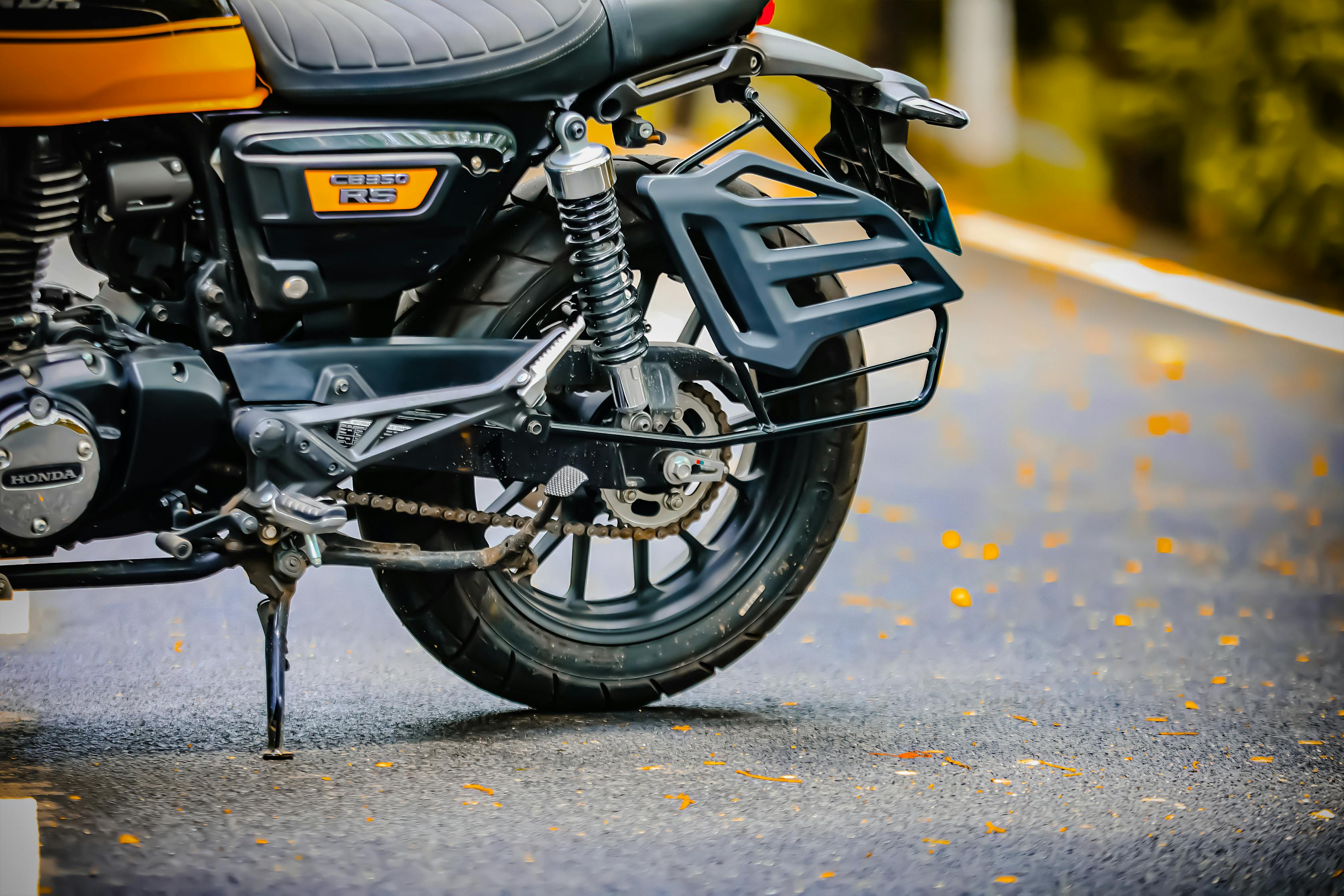
3. Hydraulic Flushing: DOT 5.1 Fluid Chemistry & ABS Cycle Bleeding
Brake fluid is hygroscopic—it continuously absorbs ambient atmospheric moisture through micro-pores in rubber brake lines and master cylinder reservoir diaphragm vents. In Gurgaon’s humid monsoon season, a moisture content of just 3% drops the fluid boiling point from 265°C down to 140°C, causing catastrophic vapor lock (lever pulls straight to the handlebar with zero braking force).
DOT 4 vs DOT 5.1 vs DOT 5 Warning:
Never use silicone-based DOT 5.0 in an ABS-equipped superbike; silicone fluids aerate under ABS rapid-pulse cycling and destroy internal EPDM rubber valves. Always use DOT 5.1 Glycol-Ether High-Performance Fluid (Motul RBF 660, Motul DOT 5.1, or Brembo Racing), which offers a dry boiling point above 312°C and is 100% compatible with modern Cornering ABS systems.
4. Disc Rotor Diagnostics: Micrometer Thickness & Dial Gauge Run-Out
Installing new sintered pads on severely worn or warped floating disc rotors will ruin the new friction material within 500 km. During every brake pad replacement, our technicians execute precision micrometer checks:
| Inspection Parameter | OEM Service Limit Tolerance | Diagnostic Consequence on Failure |
|---|---|---|
| Rotor Minimum Thickness | Stamped on disc hub (Typically 4.5 mm or 5.0 mm) | Risk of thermal cracking, rotor warping, and caliper piston over-extension |
| Lateral Runout (Warping) | Maximum allowable: 0.10 mm (0.004 in) | Pulsating lever kickback under high-speed braking; unstable front-end feel |
| Floating Bobbin Play | Smooth radial movement; zero axial binding | Uneven pad wear, sticking disc, and dragging brakes |
| Caliper Radial Bolt Torque | Factory Spec: 35 Nm – 40 Nm (Calibrated) | Prevents caliper misalignment and thread stripping in aluminum fork bottoms |
5. The Critical 100-KM Bedding-In (Burnishing) Protocol
Brand-new sintered brake pads and steel rotors must undergo a controlled thermal burnishing process to transfer an even microscopic layer of friction material (transfer film) onto the disc face. Failing to bed in new pads will result in permanent pad glazing, noisy squealing, and a 30% loss of ultimate stopping power.
- Initial Gentle Stops: Perform 10 to 15 gentle stops from 50 km/h down to 15 km/h using light lever pressure. Never come to a complete dead stop with the brake lever clamped tightly.
- Moderate Heat Cycles: Perform 5 to 7 firmer decelerations from 80 km/h down to 25 km/h, allowing 45 seconds of airflow cooling between each cycle on open expressway stretches.
- Cool Down: Ride for 5-10 minutes without touching the front brake lever to allow the discs and pads to cool gradually to ambient temperature.
Need Track-Grade Superbike Brake Overhaul in Gurgaon?
No flatbeds, no showroom delays. Master mechanics arrive with Brembo sintered pads, DOT 5.1 racing fluids, pneumatic bleeders & paddock stands directly to your doorstep.
Call 9999051609 WhatsApp Booking